How Do You Know Your Website Backups Actually Work?
Imagine opening your business website one morning and discovering that something has gone terribly wrong.

Imagine opening your business website one morning and discovering that something has gone terribly wrong.

The design looks professional, your content is ready, and the contact form is working. Maybe you’ve spent weeks building an online store or preparing your business website for launch.

You’re ready to build a new business website. You have your logo, services, photographs, and a clear idea of what customers should do when they visit.

A logo is often one of the first visible pieces of a business. It appears on your website, social profiles, proposals, invoices, uniforms, storefront signs, vehicles, packaging, advertisements, and sometimes products that stay in circulation for years.

A slow website can be frustrating for both you and your visitors. You may have optimized your images, removed unnecessary plugins

A slow eCommerce website on mobile does more than annoy shoppers. It quietly costs you sales.

Hiring a designer or developer before planning your website is like asking a contractor to build a house without a floor plan. You may still get something built, but the process will likely be slower, more expensive, and full of revisions that could have been avoided.

A website can look great on a desktop and still feel painfully slow on a phone. That is a common problem for business owners, service companies, ecommerce stores, and local brands trying to turn mobile visitors into leads.
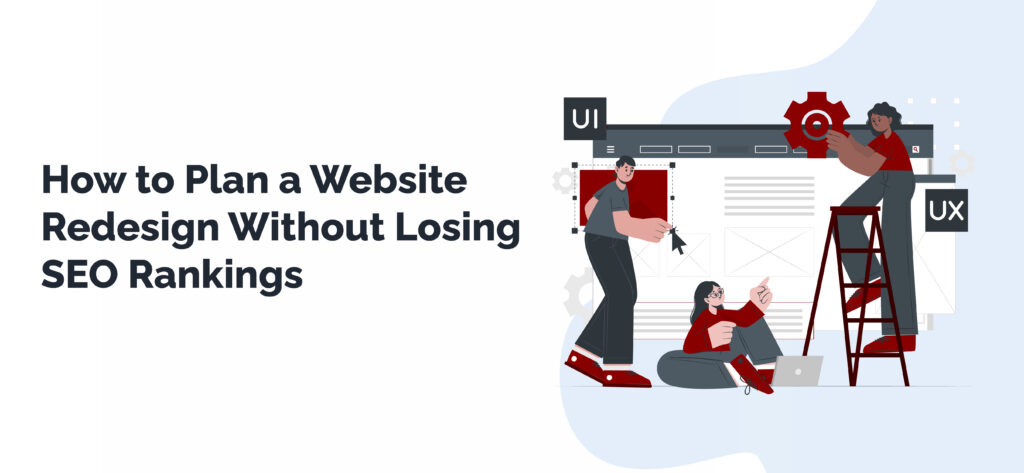
A website redesign can make your brand look more modern, improve user experience, increase conversions, and help your business feel more professional online. But if the redesign is not planned properly, it can also damage your SEO rankings.

A professional website in 2026 is not only about looking modern. It needs to feel trustworthy, load smoothly, work perfectly on mobile, guide visitors clearly, and turn attention into action.